For almost my entire 22 years of life, I’ve had to watch my mom deal with being labeled as an “angry black woman.”
In 2010, my family and I moved to Marysville, Washington. A suburban city where just under 70% of the population is white, and only 1.97% are Black or African American.
At work, she was one of only 3 black women that worked in the entire building. She was one of the best at her position for years, and produced great numbers and customer feedback. However, higher-ups, who were all white and mostly males, refused to promote her, increase her salary, give her acknowledgements like “employee of the month”, or end-of-year bonuses.
She is from Alabama, so naturally, she has a southern accent in which her bosses told her she sounded extremely rude when speaking to clients and that she needs to “fix” her voice. They ended up putting her in speech classes to “soften her tone”, which is known in the black community as using a “white voice”. My mom felt extremely embarrassed and this incident negatively impacted her mental health and self-confidence.
The “angry black woman” stereotype is one that I’ve seen in the media countless times.
Media Construction: Accurate or Inaccurate?
The media construction of black women goes back to the days of slavery. Not only were slaves forced to serve their masters, but eventually they became their means of entertainment.
During minstrel shows (a form of racist entertainment), white males mocked the lives of black slaves while wearing black face. Black characters in these shows were created through the lens of white people. This is where many stereotypes against black people in the media began, one of them being “The Sapphire”.
The Sapphire Caricature portrays black women as rude, loud, malicious, stubborn, and overbearing.
The problem with this portrayal is the fact that the black woman’s perspective is usually missing. Like I mentioned earlier, black women in the media were shown purely from a white person’s perspective. This created a biased media that viewed white women as desirable, and black women as the polar opposite.
They characterized black women as angry, but they never provided the proper context as to why. There are many possible reasons as to why black women were angry, but the origin of this pain can be traced to the grief they suffered during slavery, oftentimes being forced to be the sole provider of their families, and even being blamed by the Black community for their decline in social status.
Examples in the media
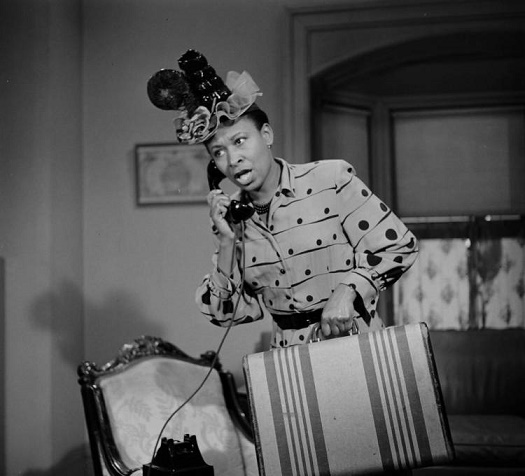
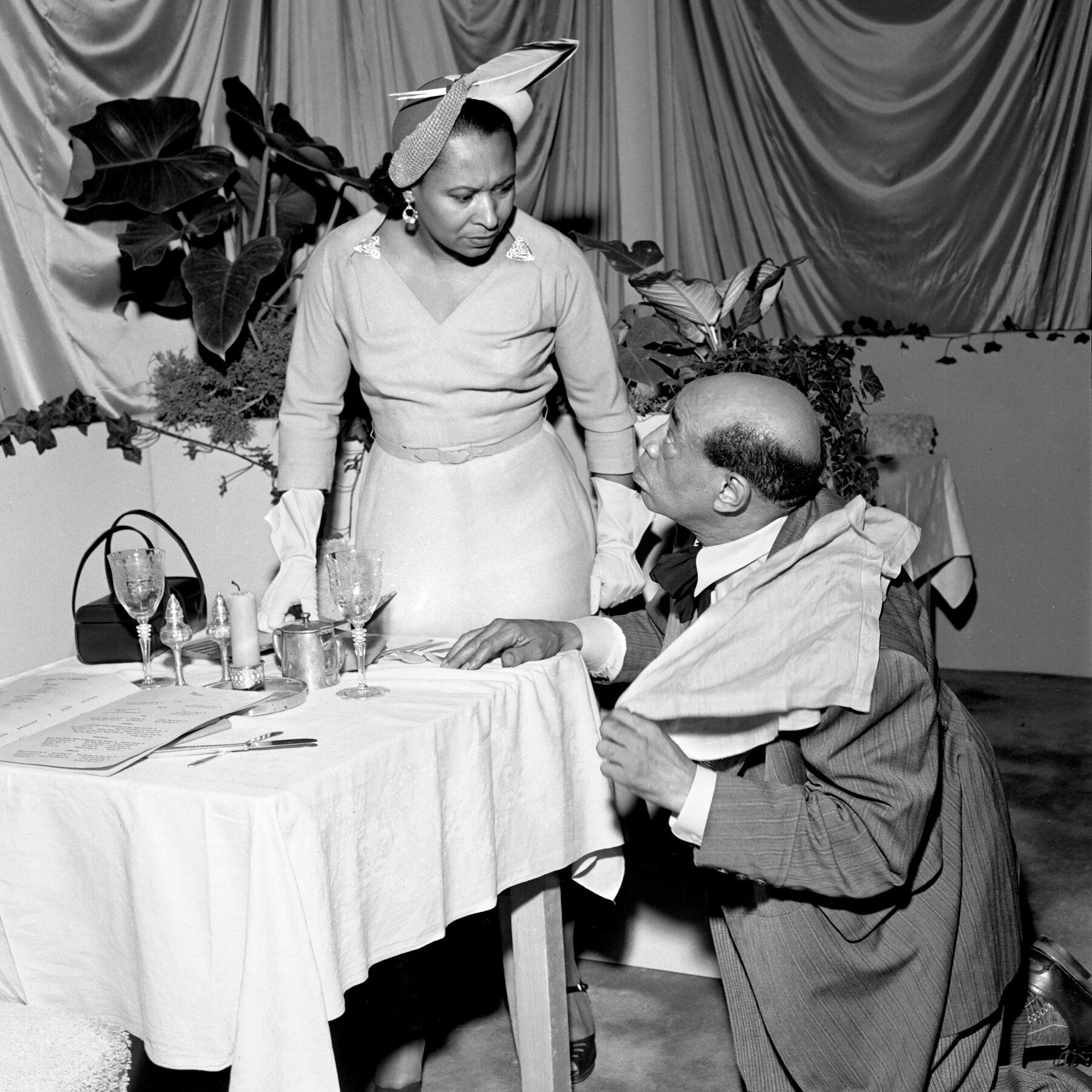
The first angry black woman to be portrayed in the media was in a sitcom named Amos ‘n’ Andy. The show ran from 1928-1943 on radio and 1951-1966 on television. The character’s name was Sapphire and she was the wife of one of the main characters. She represented every characteristic that commonly fits the angry black woman description.
The show was quite controversial, especially because its creators were two white males, also because it was brought to television around the same time as the civil rights movement. The beginning of the “Sapphire” character can be described as the character assassination of black women in America, and it continues to be used in the media today.
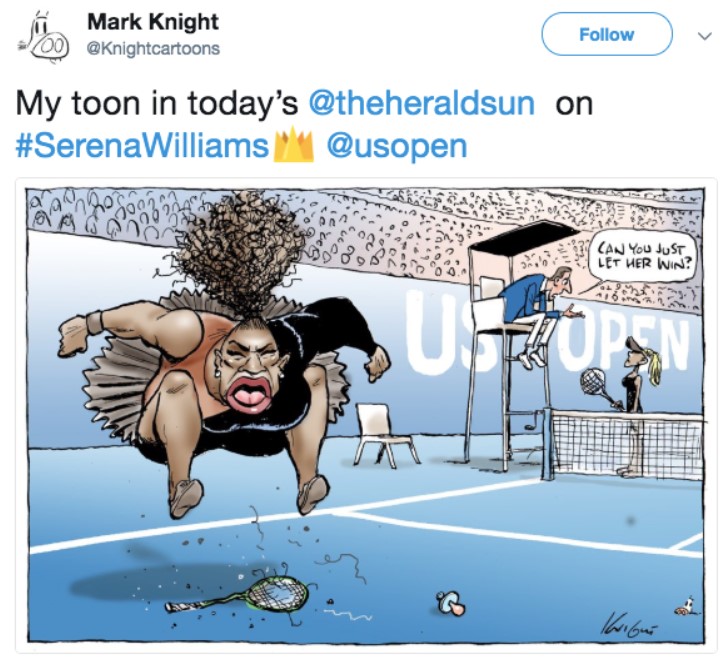
Serena Williams has been stereotyped numerous times in the media. One instance of this was during her championship match at the US Open. She smashed her racket in frustration over multiple calls from the umpire that she felt were unfair. Williams was brought to tears and was visibly frustrated as she was arguing with the referee and umpire.
Serena showed emotion that is commonly shown by her male counterparts, but was penalized differently for it. Williams went on to lose the match, and loads of stereotypical and racist media ensued.
The image above portrays Serena, a dark-skinned woman, as a mannish, whiny, aggressive figure. While her opponent is drawn as an innocent, feminine, white woman. Furthermore, the imagery of her opponent is incredibly inaccurate as well since the person it’s supposed to represent, Naomi Osaka, is a Japanese-Haitian woman.
All of the aspects of this cartoon are used to make Williams look like a villain.
Is this stereotype harmful? If so, who may benefit?
This construction is obviously extremely harmful to black women, including myself. As a black woman, the way I view myself is actually very different from the “angry black woman” stereotype. However, due to how black women as a whole are displayed in the media, we are all looked at through a very narrow lens.
The only people I can see benefiting from this is white people in the media who may profit from black women not being taken seriously in mainstream media. Thus, giving white people more/bigger & better, opportunities that are also more diverse.
Leave a Reply